
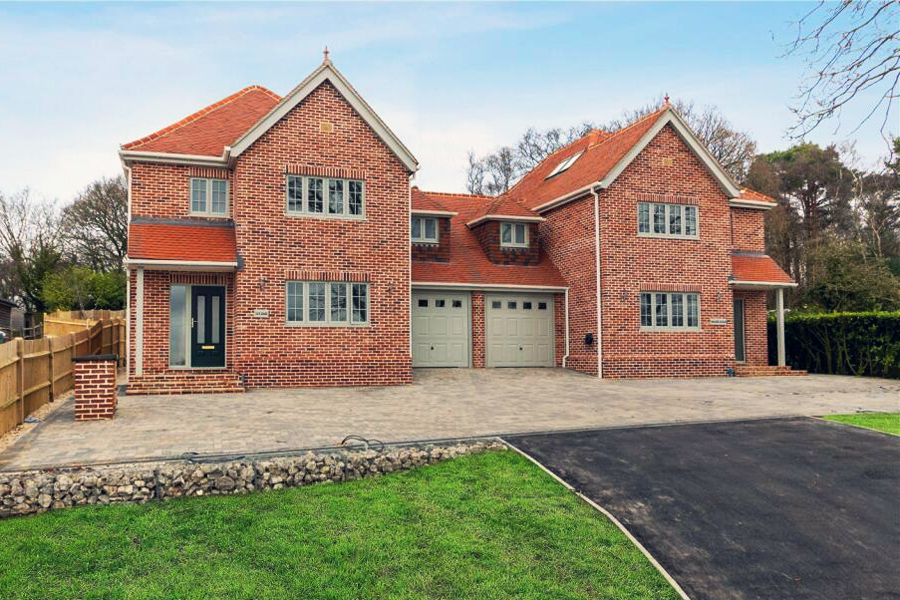
This pair of newly constructed executive homes by Oaklea Homes provide an excellent example of how insulated concrete formwork (ICF) can be deployed to deliver high levels of energy performance, structural integrity, and design flexibility in a contemporary UK housing context. Designed by Studio on Sea and arranged across three storeys, the project demonstrates how a fabric-first approach using Wallform ICF can support both architectural ambition and rigorous environmental standards.
The primary structure of both dwellings has been formed using Wallform 313. Once poured, the system creates a continuous, monolithic concrete core that provides the building’s structural strength, while the layers of insulation remain in place to deliver long-term energy savings. For this project, the external walls achieve a U-value of 0.18 W/m²K, comfortably meeting Building Regulations requirements and forming a highly efficient thermal envelope.
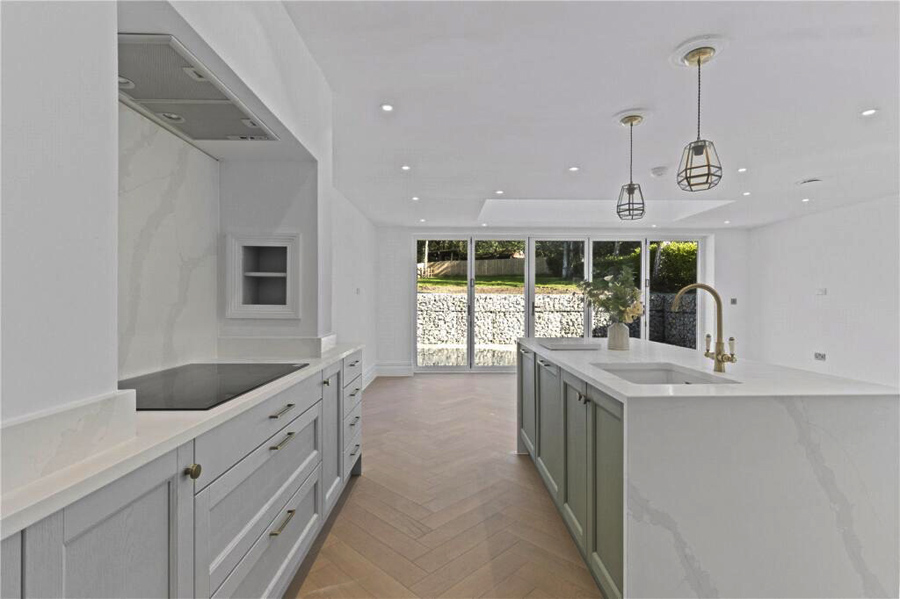
One of the key technical advantages of Wallform ICF is its ability to combine high insulation levels with thermal mass. The concrete core moderates internal temperature fluctuations by absorbing and releasing heat slowly, helping to maintain stable indoor conditions across daily and seasonal cycles. This characteristic reduces peak heating demand and works particularly well when paired with low-temperature heat sources, such as the air source heat pump used here in conjunction with the underfloor heating system.
Airtightness is another critical performance factor addressed effectively by ICF construction. The absence of multiple junctions and cavities, common in traditional masonry builds, significantly reduces unintended air leakage. In this development, airtightness is supported by a mechanical ventilation system with heat recovery (MVHR), which ensures a continuous supply of fresh air while reclaiming heat from extracted air. This approach enhances indoor air quality without compromising energy efficiency.
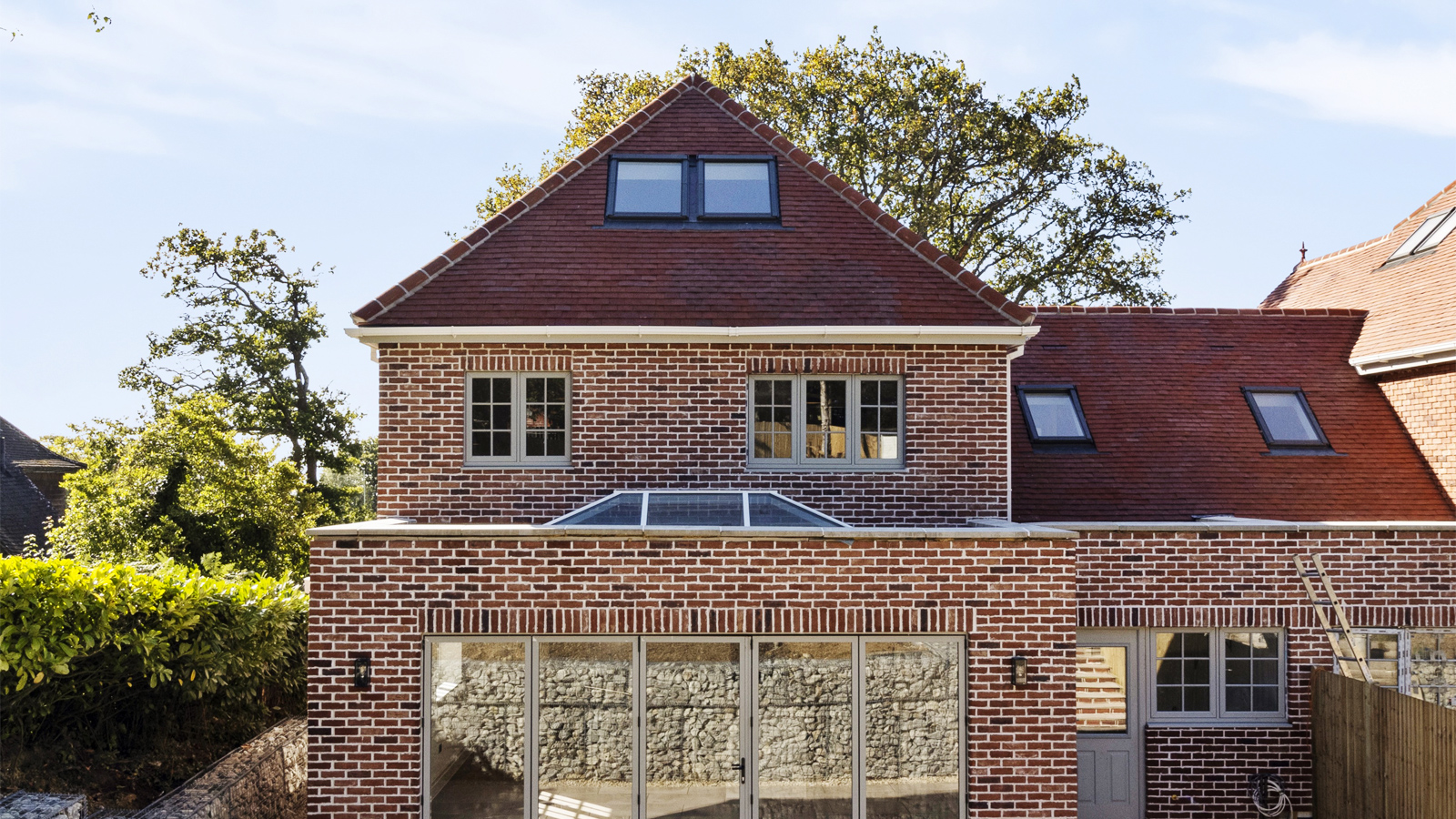
Externally, the homes demonstrate the finish versatility of ICF. Although the structural walls are concrete, the façades are clad with brick slips, allowing the development to reflect local architectural character while retaining the performance benefits of the Wallform system.
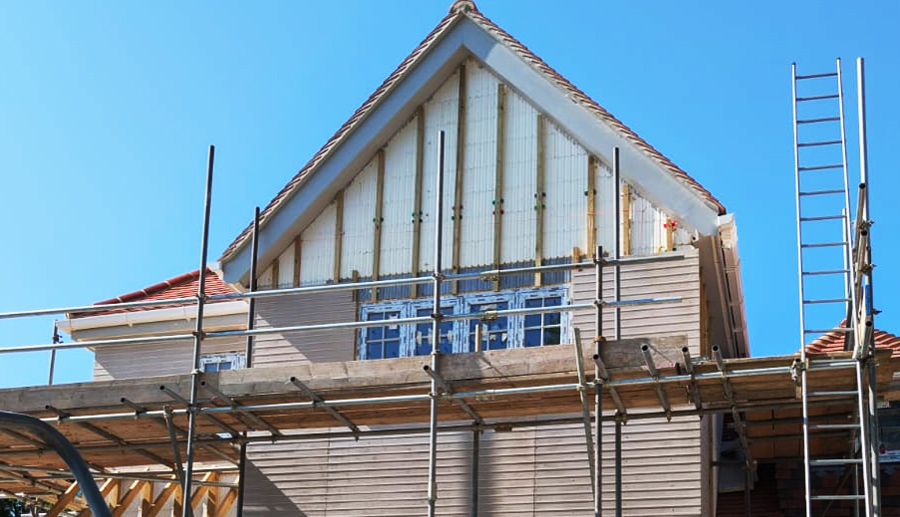
Renewable energy generation is provided via photovoltaic panels mounted on the roof, offsetting electrical demand and contributing to the homes’ overall carbon reduction strategy. The integration of renewables, efficient services, and a highly insulated envelope has resulted in the properties achieving an EPC energy rating of A, highlighting the effectiveness of the combined systems approach.
From a developer’s perspective, this project illustrates several technical strengths of Wallform ICF: rapid structural assembly, predictable thermal performance, excellent airtightness potential, and compatibility with modern low-carbon heating and ventilation systems. When properly designed and detailed, as demonstrated here, ICF enables the delivery of robust, energy-efficient homes with reduced operational costs and long-term resilience, making it a compelling choice for future-focused residential construction.

All images courtesy of Oaklea Homes Ltd